The world of private art museums represents a fascinating intersection of personal passion, cultural stewardship, and complex operational management. Unlike their public counterparts, these institutions are born from individual or familial vision, often starting as a private collection that outgrows its domestic confines. The journey from a personal passion project to a publicly accessible institution is a nuanced process, filled with both artistic idealism and pragmatic challenges.
At the very foundation of any private museum lies the collection itself. This is the heart and soul of the institution, a reflection of the founder's taste, interests, and long-term vision. The process of building a collection is rarely haphazard; it is a deliberate and often deeply researched endeavor. Curators and advisors work closely with the founder to develop a coherent acquisition strategy. This strategy might focus on a specific period, a particular movement, a single medium, or even the work of a handful of artists. The goal is to create a body of work that has something meaningful to say, that tells a story or explores a concept in depth. This curatorial rigor is what transforms a group of artworks into a significant collection worthy of public display.
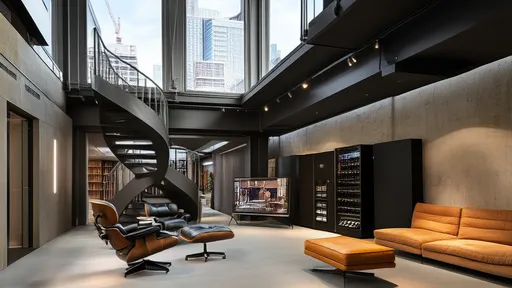
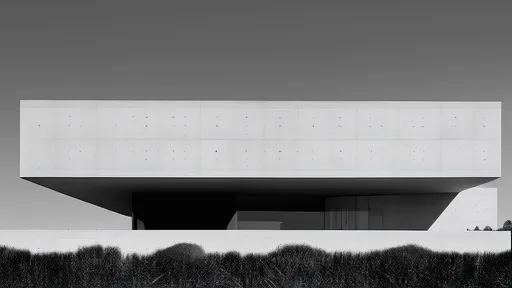
Once a collection reaches a critical mass and the decision is made to share it with the public, the operational machinery begins to turn. The first and most tangible step is often the creation of a physical space. This is far more than just finding an empty building; it is about crafting an environment that enhances the art and shapes the visitor's experience. Many founders opt for custom-designed architecture, commissioning renowned architects to create iconic buildings that themselves become destinations. Others adapt existing structures—historical buildings, industrial warehouses, or other unconventional spaces—imbuing them with a new purpose. Every decision, from the flow of the galleries and the height of the ceilings to the quality of the natural light and the climate control systems, is made with the art's preservation and optimal presentation in mind.
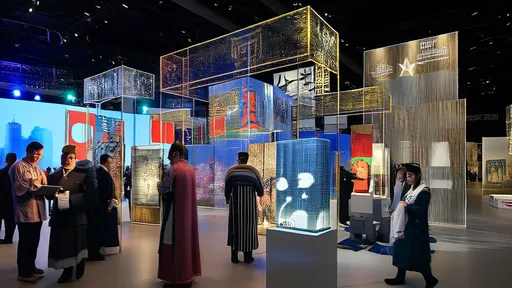
With a space secured, the focus shifts to the core operational engine: exhibition planning and curation. This is a continuous cycle that requires foresight and flexibility. A programming calendar is developed years in advance, balancing solo shows, thematic group exhibitions, and selections from the permanent collection. The curatorial team must not only devise intellectually stimulating shows but also manage all the associated logistics: negotiating loans from other institutions and private collectors, arranging intricate transportation for priceless artworks, securing insurance, and designing the physical layout and interpretive materials for each exhibition. This process demands a meticulous attention to detail and a deep network of relationships within the art world.
Parallel to exhibition planning is the critical, though often unseen, domain of collections management and conservation. A private museum is first and foremost a custodian of cultural heritage. This responsibility entails implementing rigorous cataloging systems to document every artwork's provenance, exhibition history, and condition. A dedicated registrar manages this vast amount of data. Furthermore, a conservation program is essential to ensure the long-term preservation of the collection. This might involve in-house conservators or partnerships with external experts to conduct regular assessments, perform preventative maintenance, and undertake necessary restoration work. The environment within the museum must be constantly monitored and controlled to protect the art from threats like light damage, fluctuations in temperature and humidity, and pests.
Of course, none of this is possible without a solid financial and administrative foundation. The transition from a private collection to a public institution introduces a host of new financial considerations. While the founding patron often provides the initial capital and endowment, museums must develop diversified revenue streams to ensure long-term sustainability. This includes generating income from ticket sales, memberships, hosting private events, retail operations in museum shops, and publishing catalogues. Crucially, many museums establish a non-profit foundation to oversee operations, which allows them to seek grants and attract tax-deductible donations. Navigating the complex legal and regulatory landscape, from non-profit status to international art loan agreements, requires specialized expertise often provided by a board of directors or trustees.
Finally, a museum does not exist in a vacuum; its success is measured by its engagement with its audience and the broader community. A robust marketing and communications strategy is vital to build a brand and attract visitors. This extends beyond traditional advertising to encompass a strong digital presence, engaging social media content, and public relations. Perhaps more importantly, the educational mandate of a museum is fulfilled through its public programs. Developing a rich schedule of talks by artists and curators, academic seminars, workshops for adults and children, and guided tours transforms the museum from a static repository of art into a vibrant cultural hub. These programs demystify the art, foster a deeper appreciation, and ensure the museum remains relevant and accessible to a diverse public.
In conclusion, the operation of a private art museum is a multifaceted and dynamic undertaking. It is a delicate balancing act between honoring the founder's original vision and serving the public good. It requires melding the passion of the connoisseur with the acumen of the business manager, the eye of the curator with the meticulousness of the registrar. From the initial spark of building a collection to the daily rhythm of managing exhibitions, preserving art, and engaging with the community, each step in the流程 is interconnected. The most successful private museums are those that master this complex ecosystem, creating enduring institutions that contribute profoundly to the cultural landscape while safeguarding artistic legacy for future generations.
By /Aug 28, 2025
By /Aug 28, 2025

By /Aug 28, 2025

By /Aug 28, 2025
By /Aug 28, 2025
By /Aug 28, 2025

By /Aug 28, 2025
By /Aug 28, 2025
By /Aug 28, 2025
By /Aug 28, 2025
By /Aug 28, 2025
By /Aug 28, 2025

By /Aug 28, 2025
By /Aug 28, 2025
By /Aug 28, 2025

By /Aug 28, 2025

By /Aug 28, 2025
By /Aug 28, 2025
By /Aug 28, 2025

By /Aug 28, 2025