Stepping into an art fair can feel both exhilarating and overwhelming. The sheer scale of contemporary creativity on display, the bustling crowds, and the labyrinthine layout of booths can easily turn what should be an inspiring visit into a fatiguing blur. To truly absorb the art and make the most of your time, a strategic approach is not just helpful—it’s essential. This guide is designed to transform your next art fair experience from a frantic sprint into a curated journey of discovery.
Before you even set foot in the venue, your preparation begins. A successful visit is built on a foundation of research. Start by visiting the fair’s official website. Download the floor plan and the list of exhibiting galleries. This is your strategic map. Identify which galleries or artists are absolute must-sees for you. Most major fairs have apps that are incredibly useful for this, allowing you to bookmark exhibitors and create a personalized route. This pre-planning saves you from the common pitfall of wandering aimlessly and ensures you don’t miss the highlights you’re most passionate about.
Understanding the schedule is equally crucial. Art fairs are dynamic events. Vernissage openings offer a more exclusive, often star-studded atmosphere but can be crowded with industry insiders. Weekdays are generally quieter, allowing for more contemplative viewing, while weekends are bustling with public energy and special talks or performances. Check the timetable for any curator-led tours, artist talks, or panel discussions that might align with your interests. These events provide invaluable context and can profoundly deepen your understanding of the work on view.
On the day of your visit, comfort is key. You will be on your feet for hours, navigating vast exhibition halls. Wear comfortable shoes and dress in layers, as temperatures can vary. Travel light; a small bag is less cumbersome and makes moving through crowded spaces easier. Bring a water bottle to stay hydrated, and don’t forget a notebook or your phone to jot down names of artists or works that resonate with you. The goal is to minimize physical distractions so you can focus your energy entirely on the art.
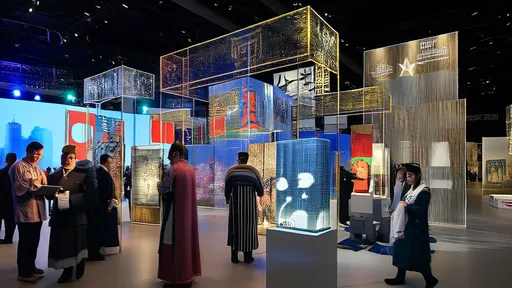
Upon arrival, resist the urge to dive directly into the first booth you see. Instead, take a moment to get your bearings. Find the information desk, grab a physical map if available, and orient yourself. A quick preliminary lap around the entire fair can be immensely helpful. Walk the main aisles at a brisk pace without stopping, just to absorb the overall layout and scale. This bird’s-eye view allows you to mentally adjust your planned route, identify clusters of galleries you want to visit, and perhaps even stumble upon an exciting section you hadn’t anticipated.
Now, it’s time to look at the art. The most important skill to cultivate is mindful observation. In a setting designed for rapid sales and quick impressions, you must consciously slow down. When a work catches your eye, stop. Spend a solid few minutes with it. Observe it from different distances—see how it changes as you step back and move close. Read the wall label to know the artist’s name, the title, the medium, and the year. This information is the first layer of context. Don’t just look for what you like; try to understand what the artist is attempting to communicate, even if it challenges you.
Engaging with gallery staff can transform your experience. These are the experts. Do not be intimidated to ask questions. A simple, "Can you tell me more about this artist?" or "What is the concept behind this piece?" can open a fascinating dialogue. They can provide insights into the artist’s practice, the techniques used, and the narrative of the gallery’s program. This interaction adds a rich, human layer to your understanding that you cannot get from a wall label alone.
Be aware of the dreaded phenomenon known as "art fair fatigue." It’s a real condition where sensory overload sets in, and your ability to concentrate and appreciate what you’re seeing diminishes. Your brain can only process so much visual information at once. Plan for breaks. Schedule a coffee stop, find a quiet seating area, or step outside for some fresh air. Use this time to review your notes, process what you’ve seen, and reset your visual palate. It’s better to have a few high-quality, focused hours than a full day of exhausted, unseeing trudging.
Documentation is a personal choice, but do so respectfully. Always check the fair’s policy on photography; some booths may prohibit it, especially if the work is highly sensitive or not yet publicly released. When you do take photos, avoid using flash. Your photos are for your memory and reference, not for social media glory. Instead of trying to photograph everything, only capture the works that truly stopped you. Jotting down a few thoughts about why a piece moved you will be far more valuable than a dozen blurry photos when you look back later.
Finally, embrace the serendipity. While a plan is vital, some of the most rewarding discoveries happen off the beaten path. Allow yourself to be pulled into a booth by a striking color or an unusual material. Follow your curiosity. The art world is vast, and an art fair is a unique opportunity to encounter voices and perspectives from across the globe that you might never find otherwise. Let your planned route be a guide, not a cage. The true art of visiting an art fair lies in the balance between intention and openness, between the pursuit of known artists and the thrill of the new.
Leaving the fair, your mind abuzz with images and ideas, is part of the experience. The engagement shouldn’t end at the exit door. Follow up on the artists you discovered. Look them up online, find their galleries, and see where their work will be shown next. An art fair is not an endpoint; it’s a gateway into the wider, ever-evolving conversation of contemporary art. Your thoughtful and prepared approach ensures you return home not just with a bag full of pamphlets, but with a mind enriched by a truly efficient and profound artistic encounter.
By /Aug 28, 2025
By /Aug 28, 2025

By /Aug 28, 2025

By /Aug 28, 2025
By /Aug 28, 2025

By /Aug 28, 2025

By /Aug 28, 2025

By /Aug 28, 2025
By /Aug 28, 2025
By /Aug 28, 2025
By /Aug 28, 2025

By /Aug 28, 2025
By /Aug 28, 2025

By /Aug 28, 2025
By /Aug 28, 2025
By /Aug 28, 2025
By /Aug 28, 2025
By /Aug 28, 2025
By /Aug 28, 2025

By /Aug 28, 2025