The art world is undergoing a profound transformation, one that is reshaping how collectors, artists, and enthusiasts interact with the timeless allure of creativity. At the heart of this change lies the rise of online art trading platforms, a digital evolution that has turned the traditionally exclusive and often intimidating art market into a more accessible, transparent, and dynamic global marketplace. This shift is not merely a trend but a fundamental reimagining of art collection in the digital age.
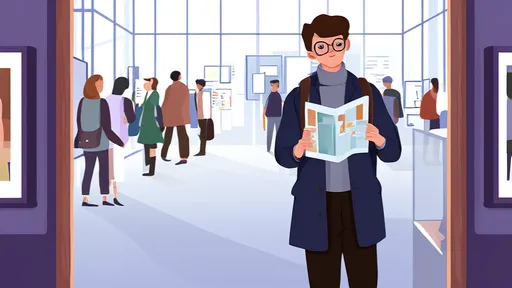
For centuries, the acquisition of art was confined to physical spaces: prestigious auction houses, intimate gallery viewings, and exclusive private sales. These environments, while rich with history and ceremony, presented significant barriers. Geographic limitations, opaque pricing, and a reliance on insider knowledge often deterred potential new collectors. The digital revolution has dismantled these walls. Online platforms now offer virtual galleries where anyone with an internet connection can browse thousands of works from emerging talents and established masters alike, all from the comfort of their home.
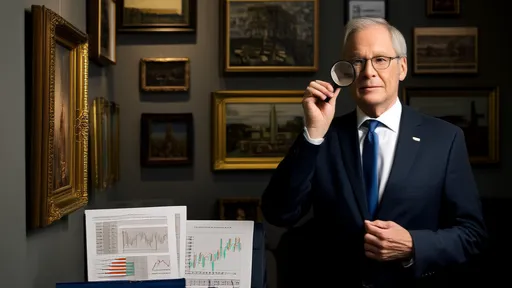
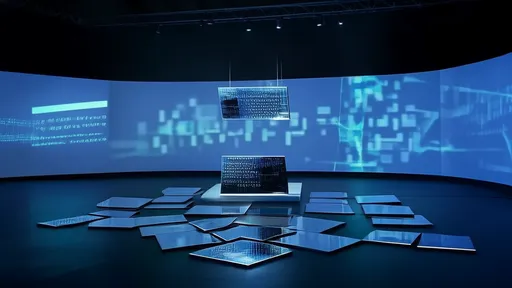
The mechanics of these platforms are a marvel of modern technology. High-resolution imaging allows for meticulous inspection of brushstrokes and texture, while detailed provenance records and certificates of authenticity provide the security once only available through trusted intermediaries. Blockchain technology is further revolutionizing the space, enabling the creation of non-fungible tokens (NFTs) that provide an unforgeable digital certificate of ownership and origin for both physical and digital artworks. This innovation addresses long-standing issues of forgery and ownership disputes, bringing unprecedented trust to the market.
Beyond mere transaction facilitation, these platforms are powerful discovery engines. Sophisticated algorithms analyze a user's browsing habits and preferences to suggest new artists and works they might love, effectively acting as a personalized digital curator. This democratizes art discovery, allowing hidden gems to find their audience without the need for gallery representation. Social features, such as the ability to follow favorite artists, create public or private collections, and engage with a community of fellow enthusiasts, foster a sense of connection and shared passion that transcends physical boundaries.
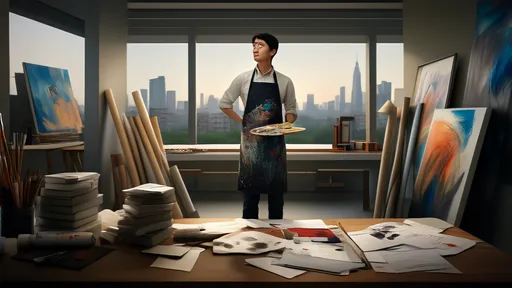
The impact on artists, particularly those outside traditional art hubs, has been monumental. Digital platforms provide a global stage, freeing creators from geographic constraints and allowing them to build an international following and clientele directly. This direct-to-collector model can be more financially rewarding for artists, offering them greater control over pricing and a larger share of the sale proceeds. For many, it has become a viable and sustainable career path, fueling a new wave of artistic innovation and diversity.
For collectors, the benefits are equally compelling. The market's transparency empowers informed decision-making, while the global nature of the platforms exposes them to a wider array of artistic styles and cultural movements. Fractional ownership models, another emerging trend, allow individuals to purchase shares in high-value masterpieces, making blue-chip art investment accessible to a broader demographic. The entire process, from discovery to acquisition, is streamlined, secure, and surprisingly personal.
However, this new frontier is not without its challenges. The sheer volume of available work can be overwhelming, and the absence of seeing a piece in person remains a significant consideration for many purists. The rapid rise of the NFT market has also introduced volatility and environmental concerns related to energy consumption, prompting the industry to seek more sustainable solutions. Despite these hurdles, the trajectory is clear. The convenience, access, and innovation offered by online platforms are creating a new generation of art lovers and reshaping the very definition of what it means to be a collector.
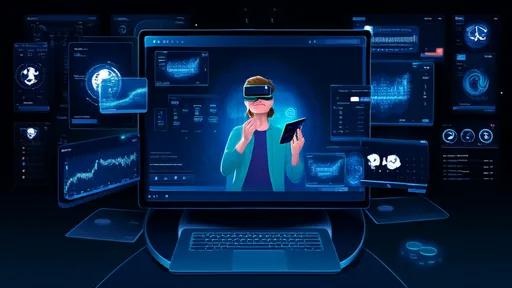
Looking ahead, the integration of virtual and augmented reality promises to further blur the lines between the physical and digital realms. Imagine donning a headset to not only view a sculpture from every angle in your living room but to also step into the digital studio where it was conceived. The future of art collection is a hybrid one, where digital platforms serve as the gateway to a more immersive and interconnected art world. They are not replacing the traditional market but expanding it, creating a richer, more inclusive ecosystem for everyone who believes in the power of art.
In essence, online art trading platforms have become the new salons of the digital age. They are vibrant, ever-evolving spaces where culture is traded, trends are set, and passions are ignited. They have demystified art collection, turning it from a privilege for the few into a possibility for the many. As technology continues to advance, these platforms will undoubtedly continue to innovate, ensuring that the ancient practice of collecting art remains not only relevant but more exciting and accessible than ever before.
By /Aug 28, 2025
By /Aug 28, 2025

By /Aug 28, 2025
By /Aug 28, 2025
By /Aug 28, 2025
By /Aug 28, 2025
By /Aug 28, 2025
By /Aug 28, 2025
By /Aug 28, 2025
By /Aug 28, 2025
By /Aug 28, 2025
By /Aug 28, 2025
By /Aug 28, 2025
By /Aug 28, 2025

By /Aug 28, 2025

By /Aug 28, 2025
By /Aug 28, 2025
By /Aug 28, 2025
By /Aug 28, 2025
By /Aug 28, 2025