In the ever-evolving landscape of nutritional science, a fascinating convergence has emerged between two seemingly disparate fields: planetary health and gut microbiome research. The Planetary Health Diet, developed by the EAT-Lancet Commission, outlines a sustainable eating pattern designed to nourish a growing global population while minimizing environmental impact. Simultaneously, cutting-edge research continues to reveal how our dietary choices profoundly influence the complex ecosystem of microorganisms residing in our digestive tract. What scientists are now discovering is that these two concepts are not just complementary—they are fundamentally intertwined in ways that could revolutionize how we think about food, health, and sustainability.
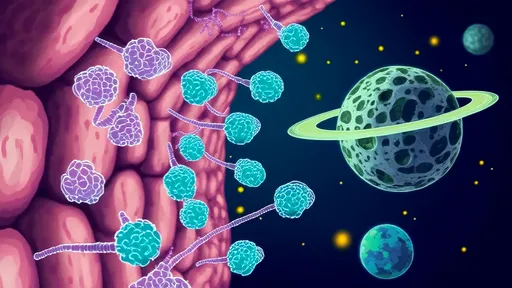
The human gut microbiome, comprising trillions of bacteria, viruses, and fungi, functions as a vital organ that influences everything from digestion and immunity to mental health and chronic disease risk. This microbial community thrives on specific dietary components, particularly fiber-rich plant foods that contain prebiotics—non-digestible compounds that feed beneficial bacteria. When we consume a diverse array of plants, we essentially fertilize our internal garden, encouraging the growth of microbes that produce anti-inflammatory compounds, strengthen gut barrier function, and even manufacture essential vitamins. The absence of these dietary components can lead to microbial imbalance, potentially contributing to various health disorders.
Remarkably, the very foods that support optimal gut health align almost perfectly with the Planetary Health Diet's recommendations. This dietary pattern emphasizes whole grains, legumes, nuts, fruits, and vegetables while limiting red meat, processed foods, and refined sugars. From an environmental perspective, this approach significantly reduces greenhouse gas emissions, land use, and freshwater consumption compared to Western dietary patterns. The synergy becomes apparent: what heals our planet also heals our gut. This creates a powerful feedback loop where individual health choices collectively contribute to environmental preservation, which in turn supports the agricultural systems that produce our food.
The connection extends beyond simple nutrition to the very way we produce our food. Regenerative agricultural practices that rebuild soil organic matter and restore degraded soil biodiversity—fundamental to sustainable food systems—also produce crops with higher nutrient density and potentially more diverse microbial content. Early research suggests that soil health directly influences the microbial composition of crops, which may subsequently affect the human gut microbiome when consumed. This creates a fascinating chain of connectivity from soil microorganisms to plant health to human gut bacteria, emphasizing that our health is inextricably linked to the health of our ecosystems.
Practical implementation of this approach requires a shift in how we think about meal composition. Instead of focusing on protein-centric plates with meat as the main component, the planetary diet encourages plant-forward eating where vegetables, whole grains, and legumes take center stage. Fermented foods like kimchi, tempeh, and yogurt—which introduce beneficial probiotics—fit seamlessly into this pattern while aligning with traditional food preservation methods that reduce waste. The diversity of plants is particularly crucial, as different types of fiber feed different microbial species, creating a more resilient gut ecosystem. Research suggests that consuming 30 different plant foods weekly provides optimal microbial diversity, a target easily achievable within the planetary diet framework.
Despite the compelling evidence supporting this symbiotic relationship between planetary and gut health, significant barriers remain. Industrial food systems, economic constraints, and deeply ingrained cultural eating patterns present challenges to widespread adoption. Additionally, individual variations in gut microbiome composition mean that dietary changes may affect people differently. However, the fundamental principles remain sound: increased consumption of diverse plant foods benefits both human health and environmental sustainability. Educational initiatives that emphasize this dual benefit—explaining how dietary choices simultaneously nourish our bodies and protect our planet—may prove more effective than approaches that focus solely on one aspect.
Looking forward, research continues to uncover deeper connections between specific dietary components, microbial metabolites, and health outcomes. Scientists are investigating how different cooking methods affect the prebiotic content of foods, how seasonal variations in produce influence microbial diversity, and how personalized nutrition approaches can be developed within the planetary health framework. What remains clear is that the relationship between our food choices, our internal ecosystems, and our planetary ecosystems is far more intimate and interconnected than previously imagined. As we move toward more sustainable food systems, we may discover that the health of our planet and the health of our bodies are not just related—they are essentially the same thing.
The convergence of planetary health and gut microbiome science offers a hopeful vision for the future of food—one where our dietary choices simultaneously address multiple global challenges. By embracing eating patterns that prioritize diverse plant foods, we nourish the microbial communities that sustain our health while reducing the environmental impact of food production. This integrated approach recognizes that human health cannot be separated from planetary health, and that the path to wellness leads through sustainable, microbiome-supportive eating patterns. As research continues to evolve, this holistic perspective may ultimately transform how we grow, choose, and consume food—for the benefit of both people and planet.

By /Aug 25, 2025

By /Aug 25, 2025

By /Aug 25, 2025

By /Aug 25, 2025

By /Aug 25, 2025

By /Aug 25, 2025

By /Aug 25, 2025

By /Aug 25, 2025

By /Aug 25, 2025

By /Aug 25, 2025

By /Aug 25, 2025
By /Aug 25, 2025
By /Aug 25, 2025

By /Aug 25, 2025

By /Aug 25, 2025

By /Aug 25, 2025

By /Aug 25, 2025

By /Aug 25, 2025

By /Aug 25, 2025

By /Aug 25, 2025