The intricate dance between our biological clocks and the celestial rhythms of the cosmos has long fascinated scientists and philosophers alike. At the heart of this interplay lies the concept of chronobiology, the study of periodic phenomena in living organisms, which finds a curious parallel in the ancient practice of astrological charting. While one is grounded in empirical science and the other in symbolic interpretation, both systems attempt to map the temporal patterns that govern human behavior and physiology, particularly our sleep-wake cycles.
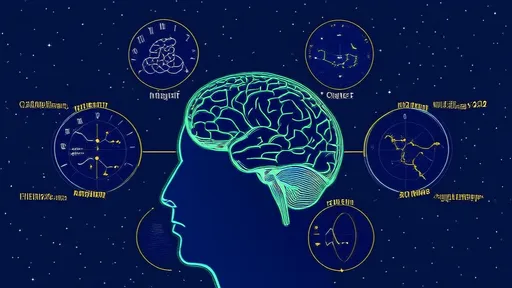
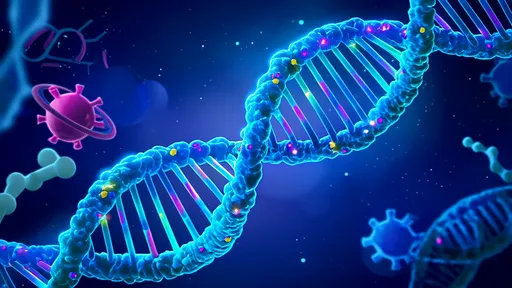
Our internal timekeeping system, the circadian rhythm, is orchestrated by a master clock located in the suprachiasmatic nucleus of the hypothalamus. This biological pacemaker responds primarily to light cues, synchronizing our sleep patterns with the 24-hour solar day. However, individuals exhibit natural variations in their circadian timing, leading to the classification of distinct chronotypes—commonly known as larks (morning types) and owls (evening types). These predispositions are not mere preferences but are deeply embedded in our genetic makeup, influenced by variations in clock genes such as PER1, PER2, and PER3.
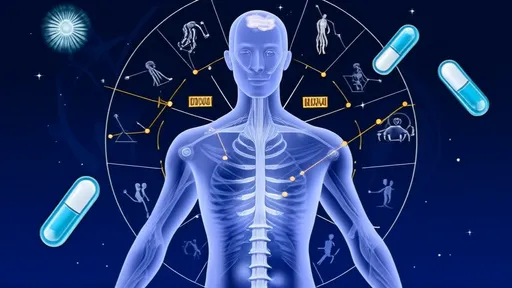
The duration and architecture of sleep are further governed by an ultradian rhythm, the approximately 90-minute cycle of alternating REM and non-REM sleep stages that repeats throughout the night. This biological symphony is conducted by a complex interplay of neurotransmitters, hormones like melatonin and cortisol, and environmental factors. The precise timing and quality of these cycles are crucial for cognitive function, memory consolidation, and overall physiological restoration, forming the non-negotiable biological foundation upon which our waking lives depend.
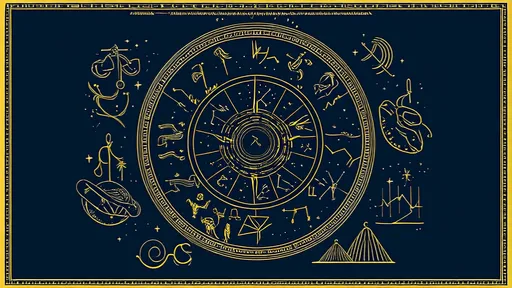
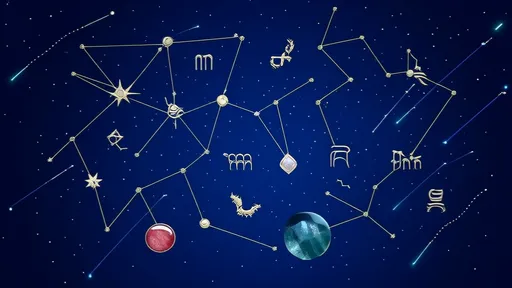
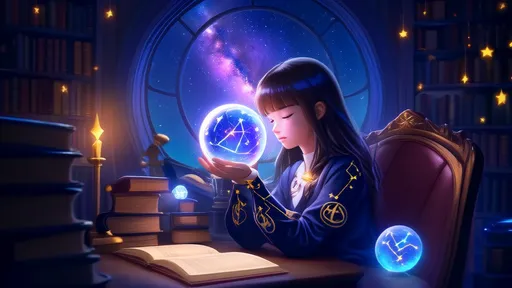
Enter the metaphorical language of astrology and its system of birth charts or "star maps." An astrological chart is a symbolic snapshot of the celestial bodies' positions at the exact moment of an individual's birth. Practitioners of astrology have long proposed that these configurations can influence personality traits and behavioral tendencies. Some modern astrological interpretations have extended this to include predispositions toward certain sleep patterns or energy levels at different times of the day, attempting to create a celestial chronotype.
For instance, the placement of the moon, often associated with emotions and subconscious patterns, might be interpreted as influencing nighttime rest and dream activity. The sign and house position of Saturn, traditionally linked to structure and discipline, could be seen as denoting a person's capacity for maintaining a regular sleep schedule. The rising sign, or ascendant, representing the self and the body, is sometimes read as an indicator of one's natural energy peaks. These interpretations form a symbolic system that, for its adherents, offers a framework for understanding personal rhythms.
From a biological standpoint, the idea that distant planetary gravitation or position at birth could directly dictate something as complex and genetically encoded as a sleep cycle is untenable. The gravitational pull of the delivering obstetrician, for example, vastly exceeds that of Mars. However, the enduring human desire to find patterns and meaning in the cosmos is itself a fascinating psychological phenomenon. This quest for narrative and structure might be what gives astrological explanations their perceived validity, serving as a projective framework for self-reflection rather than a causative agent.
A more compelling intersection might be found not in causality but in symbolic resonance. The human brain is a pattern-recognition machine, and both systems—biological and astrological—are fundamentally concerned with cycles and timing. The 24-hour solar cycle, the 28-day lunar cycle, and the seasonal yearly cycle are real environmental rhythms that undoubtedly shape biology (e.g., Seasonal Affective Disorder). Astrology maps these same macro-cycles onto a symbolic human experience. In this light, a "star map" can be viewed not as a determinant of biology but as a ancient, poetic language for describing the very real human experience of living within a universe of complex, overlapping temporal patterns.
Ultimately, the biology of sleep is a robust field of study, revealing a complex interaction between genes, neurotransmitters, environmental light, and social schedules. It provides a clear, evidence-based explanation for why we sleep when we do. Astrology, on the other hand, offers a hermeneutic, interpretive model. While its premises lack scientific mechanistic support, its cultural persistence highlights a deep-seated human need to contextualize our lives within larger, cosmic patterns. The two are not complementary explanations for the same phenomenon but rather different languages—one of mechanism, the other of meaning—used to explore the universal human experience of time, rhythm, and rest.
Therefore, while your chronotype is written in the sequences of your DNA and regulated by the exposure of your retina to light, the story you tell about it—whether you feel an innate kinship with the quiet of the moon or the energy of the sun—may find expression in the symbolic vocabulary of the stars. The science tells us the how of our sleep, but the stories we create, perhaps inspired by a chart or a map of the heavens, often explore the why we feel a certain way about it. They are parallel narratives, one firmly grounded in the material world, and the other in the enduring human project of finding personal significance in the vast, clockwork universe.

By /Aug 25, 2025

By /Aug 25, 2025
By /Aug 25, 2025
By /Aug 25, 2025
By /Aug 25, 2025
By /Aug 25, 2025
By /Aug 25, 2025

By /Aug 25, 2025
By /Aug 25, 2025
By /Aug 25, 2025
By /Aug 25, 2025
By /Aug 25, 2025
By /Aug 25, 2025

By /Aug 25, 2025
By /Aug 25, 2025

By /Aug 25, 2025

By /Aug 25, 2025
By /Aug 25, 2025

By /Aug 25, 2025

By /Aug 25, 2025